Why Delaying Gum Disease Treatment in Ventura Can Be Risky
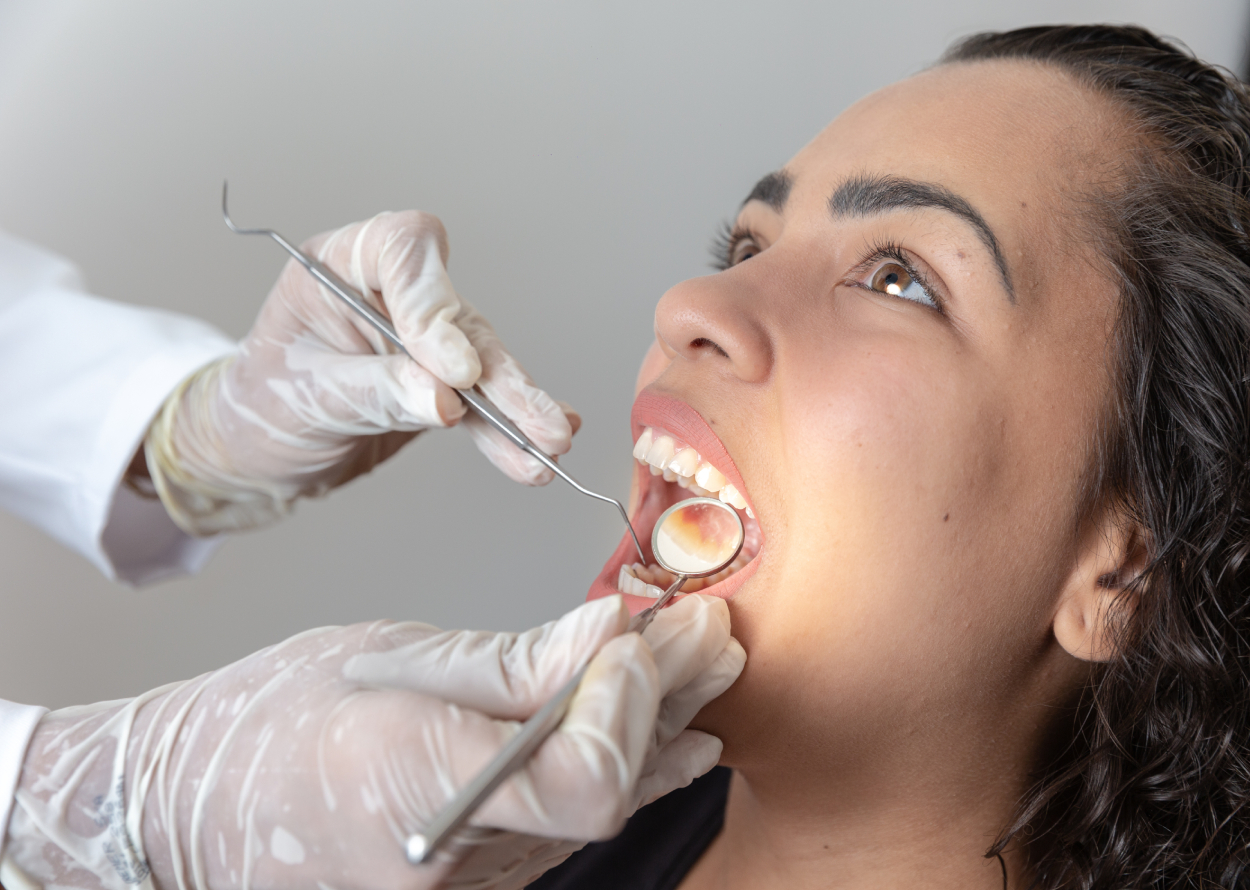


A little gum bleeding is easy to brush off. People blame a hard-bristled toothbrush, a hurried flossing session, or a dental cleaning that left things tender for a day or two. The trouble is that gum disease rarely announces itself with drama in the beginning. It usually starts quietly, then gathers momentum while life goes on around it.
That pattern is exactly what makes delay so risky.
In practice, many patients do not seek help until their gums hurt, their breath changes, or a tooth starts to feel loose. By then, the problem is often no longer a simple case of inflammation. It has moved deeper, below the gumline, into the tissues and bone that hold the teeth in place. At that stage, treatment can still help, often very effectively, but it is usually more involved, more expensive, and more urgent than it would have been months earlier.
For anyone weighing whether to postpone Gum Disease Treatment in Ventura, it helps to understand what gum disease actually does over time, why the progression can be deceptive, and what the delay can cost you beyond your smile.
The early stage does not look serious, but it matters
Most gum disease begins as gingivitis. The gums look a little puffy, they may bleed when brushing or flossing, and there can be some mild tenderness. Many people function perfectly well with these symptoms, which is part of the problem. If something does not interfere with work, meals, sleep, or social life, it is easy to assume it can wait.
Clinically, though, those early signs are a message that bacterial plaque has been sitting at the gumline long enough to trigger inflammation. At this stage, the condition is often reversible with professional care and consistent home hygiene. The body has not yet suffered the deeper structural damage that defines periodontitis.
Once the disease crosses into periodontitis, the conversation changes. The gums can begin to pull away from the teeth, forming pockets where more bacteria collect. Those pockets are difficult to clean at home. The inflammatory process can then damage connective tissue and resorb bone. That loss does not simply bounce back on its own.
This is where timing matters most. Early intervention often means a cleaner, simpler recovery path. Delay gives the disease more time to become entrenched.
Gum disease is not just a mouth problem
People sometimes think of the gums as separate from the rest of the body, as though bleeding or swelling in the mouth is a local nuisance and nothing more. In reality, the mouth is highly vascular, constantly exposed to bacteria, and closely tied to systemic health.
Inflamed gum tissue creates an ongoing burden. That matters for anyone, but especially for people with diabetes, cardiovascular concerns, immune compromise, pregnancy-related gum sensitivity, or habits like smoking and vaping that impair healing. Dentists and physicians alike pay attention to chronic oral inflammation because it can complicate broader health management.
That does not mean every case of gum disease leads to a major medical event. It does mean the risk calculation should be sober. Leaving active inflammation untreated is rarely neutral. It keeps the body in a state of irritation, and that can affect quality of life in ways that are subtle at first and costly later.
The progression is often painless, right up until it is not
One of the most frustrating parts of periodontitis is that it does not always hurt in proportion to the damage being done. Cavities often teach people that if something is serious, it will ache. Gum disease does not follow that rule consistently.
A patient may have significant bone loss and only mention occasional bleeding. Another may complain mostly of persistent bad breath. A third notices that food is packing between teeth where it never used to, or that the front teeth are beginning to shift. None of those symptoms necessarily create the kind of sharp pain that forces an immediate appointment.
That gap between visible damage and felt discomfort is why delay is so common.
In a real clinical setting, some of the most advanced gum cases come from people who say, honestly, “It never really bothered me.” What bothered them in the end was the cost of catching up, the embarrassment of gum recession, or the shock of hearing that a tooth could not be saved.
Why delay can mean more than a deeper cleaning
There is a big practical difference between treating mild gingivitis and treating established periodontal disease. When inflammation is addressed early, care may involve a professional cleaning, tailored hygiene instruction, and closer monitoring. When it is delayed, treatment may require scaling and root planing, localized antimicrobials, multiple maintenance visits, occlusal adjustment in some cases, or referral to a periodontist for surgical management.
That shift has real consequences.
The first is financial. Insurance may help with certain phases of care, but advanced treatment usually carries higher out-of-pocket costs than preventive or early-stage intervention. The second is time. Multiple appointments, healing periods, reevaluations, and periodontal maintenance every three or four months place a heavier demand on a patient’s schedule than routine cleanings every six months. The third is uncertainty. Once supporting bone is lost, the goal often becomes disease control and stability rather than full restoration of the original anatomy.
This is why experienced clinicians push so hard against the “wait and see” approach. With gum disease, waiting often means paying more for a less complete recovery.
Ventura patients face the same biological risks, with a few lifestyle wrinkles
The biology of gum disease is the same everywhere, but local habits and patterns can influence when people seek care and how disease progresses. In Ventura, it is not unusual for people to lead active, outdoor lifestyles, commute, manage family schedules, and postpone dental issues that do not feel urgent. That is understandable. Many people are balancing work, caregiving, and other health priorities.
There are also common behaviors that quietly raise periodontal risk. Dry mouth from certain medications, nicotine use, high stress, inconsistent routine care, grinding or clenching, and poorly controlled diabetes all complicate gum health. Someone who has not had a professional dental exam in a year or two may assume their gums are “about the same” when, in reality, the disease has advanced below the surface.
Seeking Gum Disease Treatment in Ventura sooner rather than later can spare patients from this slow drift. It gives the dental team a chance to measure pocket depths, check for bone loss on radiographs, and determine whether inflammation is still superficial or has moved into a more destructive phase.
What actually gets worse when treatment is delayed
The effects of postponing care tend to show up in layers. Some are cosmetic, some functional, and some structural.
First, the gums can recede. Teeth may begin to look longer, and root surfaces can become exposed. That often increases sensitivity to cold drinks, toothbrushing, or even air.
Second, the tissues that anchor teeth can weaken. People sometimes notice a subtle change in how their bite comes together or feel movement when chewing something firm. By the time mobility becomes obvious, the damage underneath is often substantial.
Third, chronic inflammation can affect comfort and confidence. Bad breath that does not improve with brushing, a persistent bad taste, or visible puffiness along the gumline can interfere with social ease. Patients do not always mention this at first, but it weighs on them.
Fourth, untreated disease can complicate other dental work. A crown, veneer, bridge, implant, or orthodontic plan has a far weaker foundation if the gums are unhealthy. No thoughtful dentist wants to build cosmetic or restorative work on top of active periodontal disease.
Finally, tooth loss becomes a more realistic possibility. Not every delayed case ends there, but periodontitis remains one of the leading reasons adults lose teeth. That is the endpoint worth preventing.
A short delay versus a long delay
Not every postponement has the same consequence. If someone notices bleeding gums and schedules an appointment for next month because of travel or work, that is different from letting symptoms linger for a year or two. Duration matters, but so does disease activity.
A short delay may not dramatically alter the treatment plan if the condition is still mild and the patient tightens up home care in the meantime. A long delay, especially in someone who smokes, has diabetes, or already has a history of periodontal disease, can allow relatively fast progression.
This is where professional judgment matters. Dentistry is not just about symptoms. Two people can present with similar complaints and need very different interventions based on probing depths, radiographic bone levels, medical history, and risk profile.
That is another reason not to self-diagnose by internet search alone. Bleeding gums are common, but the reason behind them is not always simple.
The hidden cost of “I’ll deal with it later”
Many people think of delay in terms of future dental bills. That is part of it, but the hidden costs are broader.
There is the cost of unpredictability. A manageable issue becomes a more urgent one, often at an inconvenient time. There is the cost of compromised options. A tooth that might have been preserved with earlier care may become a candidate for extraction. There is the cost to daily comfort, especially if sensitivity, food trapping, or soreness begins to affect eating.
Then there is the emotional side. Patients who delay often feel guilty or embarrassed when they finally come in. Good dental teams see this every day and do not benefit from shaming anyone, but the emotional friction still keeps some people away longer than they should stay away.
The irony is that earlier care is usually less stressful. Shorter appointments, clearer outcomes, and less severe disease tend to make the whole experience easier.
What dentists look for when assessing urgency
A proper periodontal evaluation is more than a quick glance. Dentists and hygienists assess the gums with a set of measurements and observations that tell a much fuller story than symptoms alone.
They consider things like:
- Bleeding on probing and signs of active inflammation
- Pocket depths around each tooth
- Gum recession and root exposure
- Radiographic evidence of bone loss
- Tooth mobility, furcation involvement, and plaque accumulation
Those findings help determine whether the problem is still confined to the gums or has progressed to the supporting structures. They also guide the pace of treatment. Some cases can be managed with non-surgical periodontal therapy and close maintenance. Others need specialist involvement sooner.
Why home care cannot fully replace professional treatment
Once people realize they may have gum disease, many try to get aggressive with brushing, flossing, mouthwash, or water flossers. Those habits are useful and often necessary, but they do not substitute for professional care when periodontal pockets and calcified deposits are present.
Tartar below the gumline cannot be removed with a toothbrush. Deep pockets create spaces where bacteria remain protected from ordinary cleaning. If the root surfaces are rough with deposits, inflammation tends to persist even when home care improves.
That said, home care still matters enormously. Professional treatment and home hygiene work together. One without the other usually falls short. Patients who do best long term are often not the ones with perfect mouths at the start. They are the ones who become consistent after treatment begins.
Delayed treatment can affect implants and restorative work later
A point that often surprises patients is how much untreated periodontal disease shapes future dental decisions. If a tooth is lost because of advanced gum disease, replacing it is not always straightforward. Bone loss can limit implant placement or require grafting. Bridges may place strain on neighboring teeth that already have reduced support. Dentures can become more difficult to fit well if the underlying ridge changes significantly.
Even for people thinking mainly about appearance, the gums determine far more than they realize. Symmetrical gumlines, stable papillae between the teeth, and healthy tissue contour are central to an attractive smile. If gum disease is allowed to remodel those tissues unchecked, cosmetic dentistry becomes more complicated and outcomes may be less ideal.
This is one reason many experienced restorative dentists insist on stabilizing periodontal health first. It is not a delay tactic. It is sound sequencing.
The smokers’ and diabetics’ exception, which is not really an exception
There are groups of patients for whom delaying Gum Disease Treatment carries even more risk. Smokers often show less obvious bleeding, which can make the disease look quieter than it is. Meanwhile, blood flow and healing capacity are compromised. The disease may be more advanced than the mouth suggests at a glance.
Patients with diabetes face a different challenge. Blood sugar control and periodontal inflammation influence each other. Poorly controlled diabetes can worsen gum disease, and chronic gum inflammation can make metabolic control harder. This does not mean treatment should be avoided until everything else is perfect. Quite the opposite. Coordinated care often helps both problems.
Pregnant patients, people on certain medications that cause dry mouth or gum enlargement, and those with autoimmune or immune-suppressing conditions also deserve careful monitoring. In these cases, “wait and see” is often the least useful strategy.
Signs that should not be ignored
Some gum disease remains subtle, but several warning signs justify a prompt dental evaluation rather than https://miloazso155.tearosediner.net/why-delaying-gum-disease-treatment-in-ventura-can-be-risky a casual postponement:
- Gums that bleed repeatedly during brushing or flossing
- Persistent bad breath or a bad taste that does not resolve
- Gum recession, tooth sensitivity, or teeth that look longer
- Loose teeth, shifting teeth, or changes in your bite
- Swelling, tenderness, or pus near the gumline
Even if none of these seems dramatic on its own, the pattern matters. When symptoms repeat, they deserve an explanation.
What timely treatment often looks like
For many patients, timely treatment is less intimidating than they expect. After the exam and periodontal charting, the care plan may involve a deep cleaning called scaling and root planing, done by quadrant or half-mouth depending on severity. Local anesthetic is often used to keep things comfortable. The goal is to remove bacterial deposits and smooth root surfaces so the tissues can heal more effectively.
After that, there is usually a reevaluation period. The dental team checks whether pocket depths have improved, whether bleeding has decreased, and whether the patient’s home care is controlling plaque. Some people transition into periodontal maintenance visits every three or four months rather than routine six-month cleanings. Others with more advanced disease may need adjunctive therapy or specialist care.
None of this is trivial, but it is far preferable to waiting until extraction, grafting, or extensive restorative reconstruction enters the picture.
The best time to act is usually earlier than people think
The most expensive gum disease cases are not always the most dramatic ones on day one. They are often the ones that were mild, then moderate, then advanced while the patient kept finding reasons to put off the visit.
Life gets busy. Dental anxiety is real. Cost is real too. Those concerns deserve respect. But periodontal disease tends to charge interest on delay. The longer it remains active, the more support the teeth may lose, and the fewer easy options remain.
For people considering Gum Disease Treatment in Ventura, the practical takeaway is simple. If your gums bleed regularly, feel swollen, look like they are receding, or your breath has changed for no clear reason, get assessed. If you have already been told you have gingivitis or periodontitis and have not followed through, rebook the appointment. If it has been a long time since your last periodontal evaluation, especially if you smoke or have diabetes, do not assume the absence of pain means the absence of disease.
Gum Disease Treatment works best when it interrupts the process before too much support is lost. That is the real risk of delay. It is not just that the gums stay irritated a little longer. It is that a treatable inflammatory problem can become a structural one, and structure is harder to win back.
Avra Dental
Address: 1708 S Victoria Ave B, Ventura, CA 93003
Phone number: (805) 941-1001
FAQ About Gum Disease Treatment in Ventura
How to improve gum health quickly?
To improve gum health quickly, eliminate plaque buildup by brushing for two full minutes twice a day at a 45-degree angle to the gumline. Floss daily to clean under the gumline, and rinse with an antimicrobial, alcohol-free mouthwash. For immediate relief of soreness, use a warm saltwater rinse.
What is the fastest way to cure gum disease?
To quickly cure early-stage gum disease (gingivitis), eliminate the plaque buildup causing the inflammation. Brush gently but thoroughly for two minutes twice daily, floss daily, and use an antibacterial mouthwash or a warm saltwater rinse. However, if tartar has hardened, professional treatment is necessary.
How do I treat my gum disease at home?
You can treat early gum disease at home by practicing strict daily oral hygiene, rinsing with salt water or antibacterial mouthwash, and quitting smoking. True gum disease (especially advanced forms like periodontitis) cannot be fully cured at home once tartar forms, and you must see a dentist for professional cleanings.